Exploring the Spectrum of Orgasmic Challenges: A Pelvic Floor Therapy Perspective
DR. ALLEA FRANCIS, PT, DPT
Cue the fireworks…
Except the fireworks were a dud.
Or worse—the fireworks won’t stop, won’t turn off, and definitely weren’t invited.
Orgasms are often portrayed as predictable, powerful, and universally pleasurable, but for many people, the reality is far more nuanced. Let’s dive into the wide spectrum of orgasmic experiences, what’s considered typical, and where things can go off track.
Orgasm is often discussed in modern culture as a momentary pleasure response, yet from a clinical and physiological standpoint, orgasm is a complex neuromuscular, vascular, hormonal, and psychological event. When orgasm is difficult, uncomfortable, absent, or distressingly persistent, it can significantly impact your quality of life, relationships, mental health, and even physical wellbeing.
We are going to explore orgasmic challenges specific to female biology through a pelvic floor therapy lens, highlighting how pelvic health intersects with the nervous system, musculoskeletal function, hormones, mental health, and medical care. Understanding what is normal is the first step toward identifying what may need support to have better orgasms.
Tonic & Phasic offers holistic pelvic floor therapy in Orange County, CA | Learn about us here
Why Orgasms Matter for Health
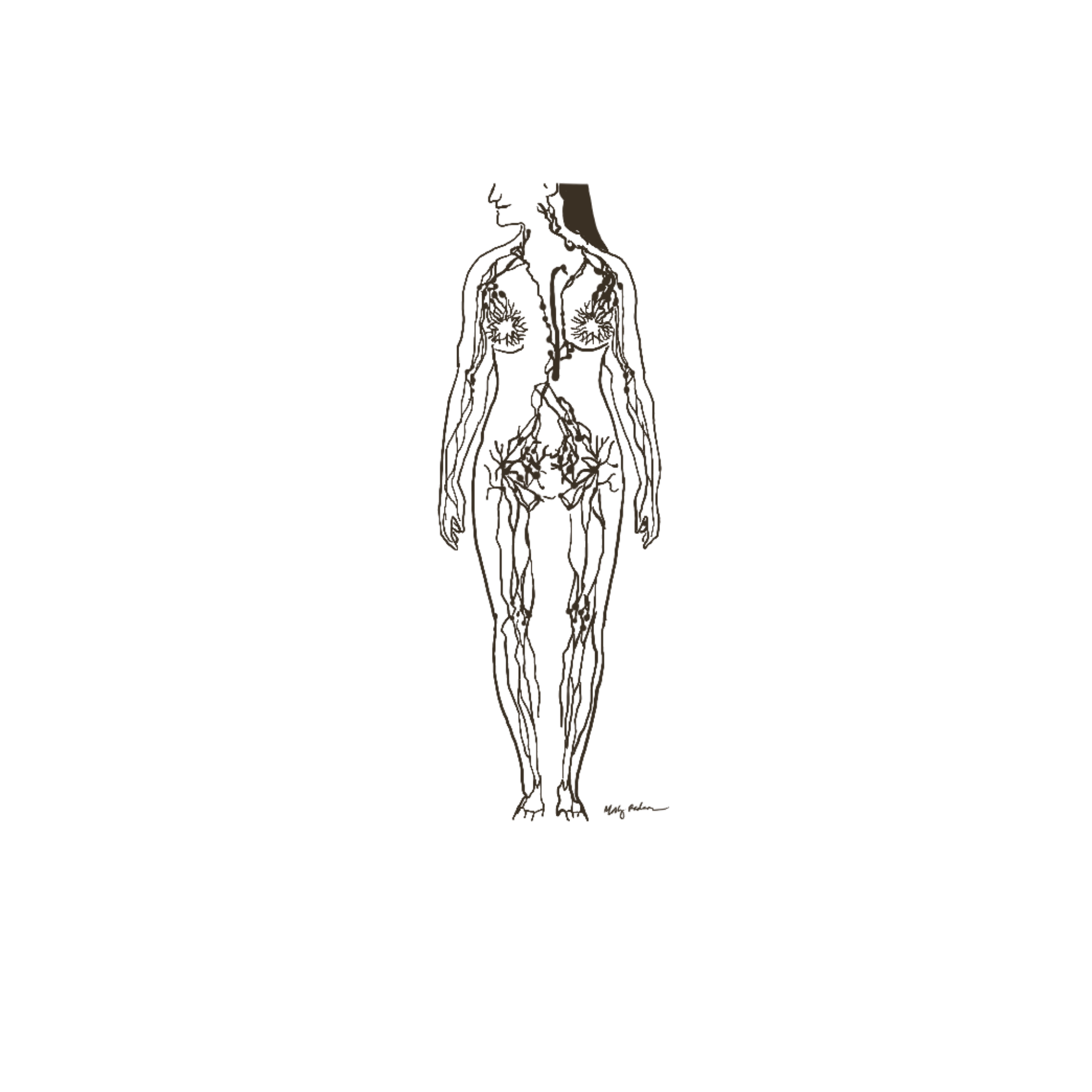
The Lymphatic System
See the concentration of lymph nodes in the pelvic region? Orgasms are very helpful for lymphatic drainage and pelvic circulation.
Orgasms are not solely about sexual pleasure. They play a meaningful role in overall health:
Pelvic circulation and lymphatic flow: Rhythmic pelvic floor contractions act like a “sump pump,” assisting blood flow, venous return, and lymphatic drainage within the pelvis.
Nervous system regulation: Orgasms stimulate parasympathetic (rest-and-digest) activity and release oxytocin, promoting relaxation and stress reduction.
Immune and hormonal benefits: Sexual arousal and orgasm have been associated with immune system modulation and improved hormonal signaling.
Muscle coordination and pelvic floor health: Healthy orgasms rely on coordinated pelvic floor contraction and relaxation, reinforcing neuromuscular integrity as well as force production.
When orgasmic function is disrupted, these downstream benefits, stated above, may also be affected.
What Is a “Normal” Orgasm?
There is no single definition of a normal orgasm, but clinically, a typical orgasm involves:
Adequate arousal and desire
Genital engorgement and lubrication
Rhythmic, involuntary pelvic floor muscle contractions
A subjective sense of pleasure and release
Resolution phase with relaxation and reduced arousal
Importantly, orgasms vary widely in intensity, duration, sensation, and emotional experience. Understanding the full arousal process helps contextualize why orgasmic challenges occur.
The Stages of Sexual Arousal
Orgasm does not occur in isolation. It is the culmination of a coordinated sequence:
Desire: Psychological interest and readiness. This can happen hours or days before leading up to the main event
Arousal: Increased blood flow, lubrication, genital sensitivity, and nervous system engagement
Plateau: Sustained arousal with heightened pelvic floor activation
Orgasm: Rhythmic pelvic floor contractions and nerve activations, and hormonal release
Resolution: Muscle relaxation and parasympathetic dominance
Disruption at any stage, particularly arousal, can affect orgasm quality or accessibility.
Read: the Sexual Response Cycle
Types of Female Orgasms
Female orgasms are not limited to a single anatomical structure. Individuals may experience orgasms through different pathways:
Clitoral orgasm: Involving the external and internal clitoral complex
Vaginal orgasm: Often linked to pelvic floor coordination and internal clitoral stimulation
Cervical orgasm: Associated with deeper stimulation and autonomic nervous system pathways
Anal orgasm: Involves stimulation of the tissues and neural structures surrounding the anus, through the pelvic floor muscles and nerve pathways
Non-genital or whole-body orgasm: Neurologically mediated without direct genital contact. The sensory experience is not confined to the genitals and the pleasure spreads beyond them.
All of these rely on an integrated pelvic floor, intact nerve signaling, and adequate blood flow.
The Three Primary Orgasmic Dysfunctions
1. Anorgasmia (Absent Orgasm)
Anorgasmia refers to persistent difficulty or inability to reach orgasm despite adequate stimulation. Contributing factors may include:
Reduced genital sensitivity
Pelvic floor weakness or poor coordination
Nerve compression or desensitization
Hormonal changes (postpartum, perimenopause, menopause)
Medication side effects
Psychological factors such as anxiety or trauma
2. Persistent Genital Arousal Disorder (PGAD)
PGAD is characterized by unwanted, persistent genital arousal unrelated to desire and not relieved by orgasm. It is often complex and distressing.
Potential contributors include:
Pudendal or pelvic nerve irritation or entrapment
Pelvic floor muscle overactivity
Spinal, neurological conditions, or neurodevelopmental conditions
Medication withdrawal effects
Central nervous system sensitization
Certain hormonal imbalances
PGAD requires careful, multidisciplinary management.
3. Dysorgasmia
Dysorgasmia refers to orgasms that are painful, delayed, weak, uncoordinated, or unsatisfying.
Common contributors include:
Pelvic floor tightness or poor relaxation
Inability to generate sufficient muscular force
Scar tissue (perineal tears, C-sections, pelvic surgeries)
Pain conditions such as endometriosis or vulvodynia
Altered breathing and pressure management
Auto-Immune conditions such as Lichen’s Sclerosis/Planus
Pelvic Floor Influences on Orgasm
The pelvic floor plays a central role in orgasmic function:
Muscle tone: Overactive muscles may restrict blood flow and nerve signaling; underactive muscles may lack contractile force. The pelvic floor muscles need to be able to move through a full range of motion to facilitate a healthy orgasm.
Coordination: Orgasms require precise timing between contraction and relaxation.
Lubrication and blood flow: Muscle tension and hormonal shifts can impair arousal and lubrication. A depletion of certain hormones or auto-immune conditions can influence the tissue quality and cause dryness or irritation to the tissue disrupting the orgasm due to discomfort.
Scar tissue: Reduced tissue mobility can alter sensation and muscle response.
Pressure regulation: The pelvic floor works with the diaphragm and abdominal wall to manage intra-abdominal pressure critical for orgasmic intensity and time.
This is where the “sump pump” analogy is key: healthy pelvic floor movement supports circulation, sensation, and release.
Pudendal Nerve Involvement
The pudendal nerve supplies sensation and motor control to much of the pelvic floor and external genitalia. Compression, irritation, or hypersensitivity can lead to:
Reduced sensation
Burning or electric pain
Delayed or absent orgasm
PGAD symptoms
Pelvic floor physical therapy can assess mechanical contributors to nerve irritation as this nerve travels through our pelvis and pelvic floor.
Other Contributing Systems
Psychological Factors
History of sexual trauma
Anxiety, depression, or chronic stress
Body image concerns
These can directly impact arousal, nervous system regulation, and pelvic floor tone.
Medications
Common medications associated with delayed or absent orgasm include:
SSRIs and SNRIs
Hormonal contraceptives
Some antihypertensives
Certain pain medications
Medication effects should always be reviewed collaboratively with your prescribing provider.
A Multimodal Treatment Approach
Orgasmic challenges are rarely resolved through a single intervention. Optimal care often includes a holistic pelvic health approach:
Pelvic Floor Physical Therapy
Muscle tone and coordination assessment and treatment
Scar tissue mobilization
Muscle, nerve, and/or tissue de/sensitization strategies
Breathing and pressure management
Education on arousal and pelvic awareness
Sex Therapy
Desire and arousal support
Relationship and communication work
Reducing performance pressure
Mental Health Support
Trauma-informed care
Anxiety and stress regulation
Nervous system re-patterning
Orgasmic challenges are common, valid, and treatable. They are not a personal failure or something to simply “push through.”
From a holistic pelvic health perspective, orgasms reflect the health of multiple interconnected systems. With the right education, support, and multidisciplinary care, many individuals can experience meaningful improvement in orgasmic function and overall pelvic health.
If you are struggling with orgasmic concerns, seeking pelvic health–informed care is an important first step toward understanding and healing.
You can see our Pelvic Floor Therapy options in Orange County, CA through our booking link or Our Services page. We can’t wait to support you.

is a certified Physical Therapist, Doctor of Physical Therapy, and Co-Founder of Tonic & Phasic Holistic Pelvic Health in Orange County, CA.
When she’s not treating patients under her specialties — pudendal neuralgia, PGAD (persistent genital arousal disorder), rectal spasms, endometriosis, interstitial cystitis, and pain with sex — she’s walking her dog, Brutus, on the beach, reading a book, or spending quality time in nature with her partner.
In addition to her work with chronic pelvic pain, Dr. Allea has a special interest in the rehabilitation of pelvic organ prolapse and preventive care to prepare the body for labor and delivery. Her holistic, patient-centered approach integrates physical therapy with nutrition, mindfulness, and other complementary therapies to provide comprehensive and compassionate care.