Endo Excision Surgery: A Complete Guide to Prep and Recovery
Tonic and Phasic Holistic Pelvic Health | Endometriosis Pelvic PT Specialists in Orange County, CA
So you have an upcoming laparoscopic surgery for endometriosis excision. At this point, you may feel a mix of emotions which is completely normal. At Tonic & Phasic, we want you to feel informed and supported – so we’re going to help you prepare by understanding the surgery itself and preparing your home and body for recovery.
From Pelvic Floor Physical Therapists and Endometriosis Specialists, this is what we recommend and what you can expect.
Before Surgery: Setting Yourself Up for Recovery
As you head into excision surgery for endometriosis, it is normal to feel a mix of emotions. Below are a few practical ways to set yourself up for a smooth recovery.
Support System
The first thing to think about is your support system. Who can drive you to and from the hospital? Who can help with cooking, cleaning, and daily tasks during the first two weeks at home? Having this organized ahead of time makes your recovery smoother.
At Home
Next, consider your home environment. Pick a comfortable spot where you’ll spend most of your recovery and turn it into your “recovery area.” This is most likely in a downstairs room or on the couch. Next, consider a box of supplies to have by your bed, or consider a 3-tier caddy or small rolling cart, this is a game changer. Fill it with:
Charger for your phone or devices
Chapstick and lotion
Heating pad for your back
Medications and supplements
Other items we often recommend adding to your caddy:
Car and recovery pillow to ease pressure during travel and support your abdomen when coughing or sneezing (take this with you to your surgery!)
Electrolytes to support tissue healing and prevent constipation or urinary irritation
TENS unit for low back pain
Water wipes for gentle wiping
Vulvar ice packs or homemade “padsicles” if you’re experiencing heaviness or achiness
Silicone strips for scar tissue healing (apply around 2 weeks post-op once steri strips fall off)
Scar balm for soothing tissue (start at week 4)
Meal Prep
Meal prep is another key step. Plan easy-to-digest meals for the first week, slow-cooker soups, broths, stir-fry, curries, or overnight oats are perfect. Focus on nutrients that support healing:
Protein, collagen, and amino acids for tissue repair
Vitamin C and glutathione for cellular healing
try adding avocado, spinach, and citrus to your menu
Quercetin and bromelain for wound healing and reduced bruising
Capers and Pineapples are high in quercetin and bromelain, respectively
Zinc for incision healing
Oysters are notoriously high in zinc – but you can even try pumpkin seeds, salmon, red meat, and eggs
Omega-3s for inflammation support
Visit Pilar's Apothecary for organic herbal teas
Hospital Bag
Finally, pack a hospital bag:
loose clothing that buttons or zips
comfortable underwear
toiletries
slip-on shoes
For the Drive Home
Car & recovery pillow
Eye Mask
Travel Heating pad
Having these things ready reduces stress on the day of surgery – bonus if you can have your support system there to help pack your bag and do meal prep!
During Surgery: What To Expect
Most laparoscopic endometriosis excisions are performed using the Da Vinci robotic system, which allows your surgeon to operate with precision while you’re under anesthesia. You’ll have a full team in the room:
The surgeon controls the robotic arms, guiding them with a console while looking through the system
A surgical assistant retrieves the specimen as the surgeon excises
A nurse labels and receives the specimens to send off to pathology
Another team member keeps the room sterile and assists with tool handling
The anesthesiologist stays present to monitor your anesthesia and vital signs
Both Dr. Mallorie and Dr. Allea have shadowed endometriosis excision surgeries. We will be there to support you before and after, and we are very familiar with the process that occurs inside the treatment room.
Typically, there are four small incisions: one in the belly button for the camera, two for the robotic arms, and one for specimen collection (sometimes an additional one is added if they need more support in retrieving specimens). Your surgeon will examine the pelvic cavity, including the pelvic wall, colon, bladder, appendix, diaphragm, rectum, and more, and carefully remove any affected or suspicious tissue.
Depending on your situation, additional procedures may be performed, such as adhesiolysis (removing scar tissue), tubal or ovary removal, fibroid removal, appendix removal, hysterectomy, cystoscopy, or hysteroscopy. If needed, other specialists may be called in, for example, a colorectal surgeon for deep bowel endometriosis.
During surgery, your surgeon takes before-and-after photos and the team sends all removed tissue to pathology. Results typically take 1–2 weeks, and you’ll meet with your surgeon afterward to review the findings and the images.
After Surgery: What to Expect
Recovery starts the moment you get out of surgery.
Some time will pass before you can get discharged – your surgeon will meet with you briefly after the procedure.
Once you’re discharged, have a pillow ready to put between you and the seatbelt. If you have a travel heating pad, that will be great to place behind your back. During the drive home, recline your seat and put an eye mask over your eyes, as sometimes looking outside can make you dizzy.
Now one thing to remember: your body has just gone through major surgery. Even if you feel okay, tissues and muscles need time to heal: it will take about three weeks for your scar to heal and six to eight weeks for muscles and joints to get back to movement. Overall,it may take up to 4 months to finally feel like yourself.
Recovery: Common Symptoms & Management
When you are in recovery, some symptoms can come as a shock. As pelvic health therapists specializing in endometriosis, here’s what we commonly see and how we suggest managing it.
Fatigue: This is one of the most significant symptoms – you will be tired for the first couple of weeks. The surgery is minimally invasive, but still invasive; and the incisions don’t necessarily reflect the work done inside. So have some compassion and grace for yourself, and get as much rest as you can – your body is healing.
Stitches: Steri strips cover your incision and usually fall off on their own. If they haven’t fallen off in one week, you can remove them in the shower. Once healed, begin using silicone strips or scar balm as recommended.
Gas & bloating: Anesthesia can cause gas under your ribs or in the shoulder. To help with this, we recommend herbal teas starting on day one: peppermint, chamomile, and fennel help.
Bowel movements: Constipation is common. Stay hydrated, use magnesium citrate or gentle teas like Smooth Move, or take supplements such as psyllium husk or triphala (both of which promote digestion and absorption) as tolerated.
If you cannot pass stool, use milk of magnesia or senna and lastly you can always use any well tolerated laxative to get things to pass easier for the first 2 weeks.
Urination: If you had a catheter, urination may be sensitive for 3–7 days. Wet wipes or a peri-bottle help reduce irritation. Drink plenty of fluids.
Cramps & pain: Mild cramping is expected. Use a heating pad or TENS unit on your back, and hold a pillow when moving, coughing, sneezing, or laughing. Arnica and Magnesium Oil spray are great alternatives to pain medication; however, you can certainly take pain medications like Ibuprofen or tylenol as recommended by your physician.
Bleeding: Light, unscheduled bleeding is normal, but reach out to your provider if it feels like a heavy period or lasts longer than expected. Have pads ready or you can even use postpartum underwear “diapers” as another option.
Shooting pains: Nerve-related sensations are common. Burning, referring, tingingling; this is all due to the nerve endings all “recalibrating” and firing erratically. We help you by bringing sensation back to these tissues with sensory training, sensory mobility, and breathwork.
Shortness of breath: This is due to the nature of the anesthesia. Taking deep inhales and slow, long exhales help your lungs and diaphragm recover.
Core weakness: Using belly support for the first 4 weeks is very helpful! Around 4 weeks is when we will start training your core, so belly support may not be as needed. But until then, a pillow or other support will help you get around as best as you can.
Emotional health: Intrusive or anxious thoughts can be common during this time. Make sure to check in with support from a therapist or with your support system to help guide you through the early stages of healing.
Possible Medications from your Physician: You may be given Gabapentin for nerve pain, acetaminophen, NSAIDs (ibuprofen), zofran for nausea, pain medications, and senna (herb to prevent constipation)
Remember: there can always be more than this, but the list above gives you some ideas of where to begin. You can always reach out to Dr. Mallorie or Dr. Allea to ask questions about your recovery.
Recovery Routines and Pelvic Floor Therapy
Now that you have had the surgery and you are ready to recover, seek pelvic floor PT who specializes in endometriosis. As Pelvic PTs, our clinic starts seeing people 1 week post-op (and we prefer seeing you a few weeks pre-op as well). If you are not up to getting into a car yet, then 2 weeks post op works just as well!
We recommend weekly pelvic floor physical therapy for 6 weeks with structured milestones:
Weeks 0–1: Review surgical outcomes, focus on abdominal support, gentle scar assessment.
Weeks 2–3: Early movement and continued scar mobilization.
Week 3: Core reconnection and ongoing scar tissue work.
Weeks 4–6: Pelvic floor assessment (rectal or vaginal, depending on surgery) and progression planning.
Weeks 6–8: Guidance for returning to fitness safely.
Weeks 8+: Recovery post surgery is complete, however, management of endometriosis symptoms starts now
Routines at Home
Below are some insights we like to share – but we also advise that with early scar tissue mobility work, it is best to get help from a Pelvic Floor PT to ensure it’s done correctly.
Meditation & body scan: Begin 2 days post-op. Try the Curable app (free for 6 weeks) or Balance app.
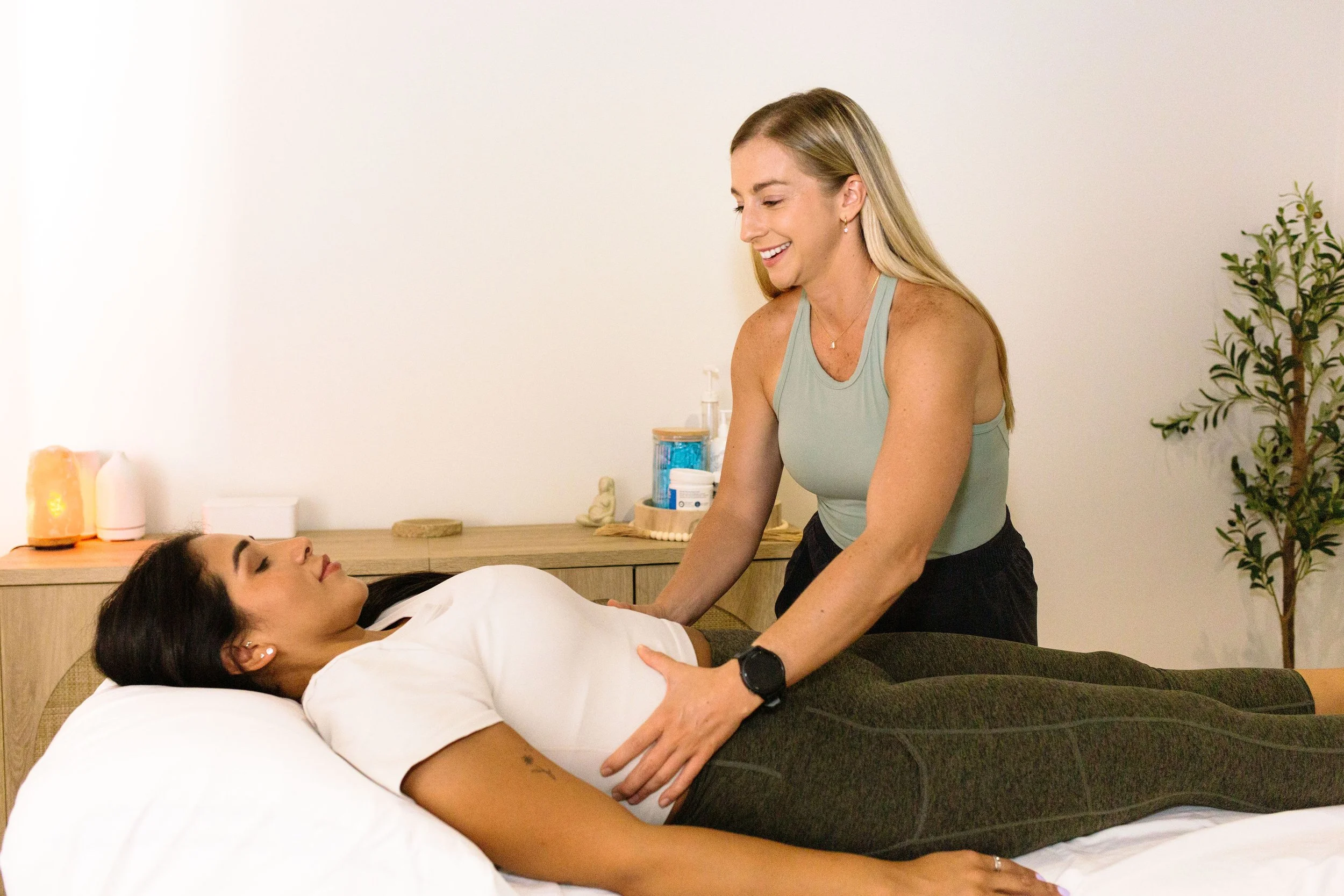
Scar Management: We strongly recommend getting help from a PT before you start with Scar Tissue Mobilization. You can start 2 days after coming home. Use warm coconut oil and massage around the incision (not directly over it) and on your abdomen with circles or “wax on, wax off” motions for about 5 minutes. At week 3, start silicone strips in the morning; at week 4, apply scar balm at night. By week 6, begin scar mobilizations on top of the scar and sensory integration training using cotton balls, Q-tips, towels, and your fingers.
Breathing exercises: Start 2 days post-op. Lateral breathing (hands on ribs) and belly breathing (hands on belly), 30 reps each, twice daily.
Light exposure: Sit outside 15 minutes in the morning, afternoon, and sunset starting day 3.
Walking: Start after week one, 10 minutes at first, and gradually increase.
Stretching & mobility: Begin around week three, being mindful of incisions, if you feel pulling or there is slight bleeding on your scar, you are pulling too much (or your scar is dry).
There is a lot you can do at home to empower your recovery, and we are excited to support you on that journey.
Final Thoughts: Recovery is a Process
Recovery after laparoscopic endometriosis surgery is a process. Preparing your home, support system, and meals ahead of time makes the first weeks smoother. Listening to your body, following gentle recovery routines, and using therapy and nutrition to support healing will help you return to your normal activities safely.
At Tonic & Phasic Holistic Pelvic Health, we want you to feel informed, supported, and confident in your recovery journey. You’re not just healing from surgery, you’re reclaiming comfort and strength for the weeks and months ahead. If you are ready to start preparing for your surgery and recover after, book a free discovery call today!
Select “Virtual Physical Therapy Initial Evaluation” to get started.