
Pelvic Floor Therapy & Prostate Cancer Surgery: What to Expect Before and After Surgery
Table of Contents
Anatomy Overview
Types of Surgery
Benefits of Pre-Op Pelvic Floor Therapy
Common Post-Op Symptoms
Overview of Pelvic Floor Therapy
Recovery Isn’t Just Physical
When to Begin Pelvic Floor Therapy
A prostate cancer diagnosis can bring an overwhelming amount of information, decisions, and uncertainty. Between appointments, treatment planning, and preparing for surgery, many people are never told that the pelvic floor muscles and surrounding systems can play a major role in both recovery and quality of life afterward.
At Tonic & Phasic Holistic Pelvic Health, we believe preparation matters just as much as recovery. Pelvic floor physical therapy is often thought of only after symptoms develop, but evidence continues to support the importance of addressing pelvic health both before and after prostate surgery to help improve coordination, awareness, strength, mobility, and overall recovery.
Whether you are preparing for surgery, currently recovering, or trying to navigate symptoms months or years later, understanding what is happening in the body can help you feel more informed and supported through the process.
Understanding the Anatomy
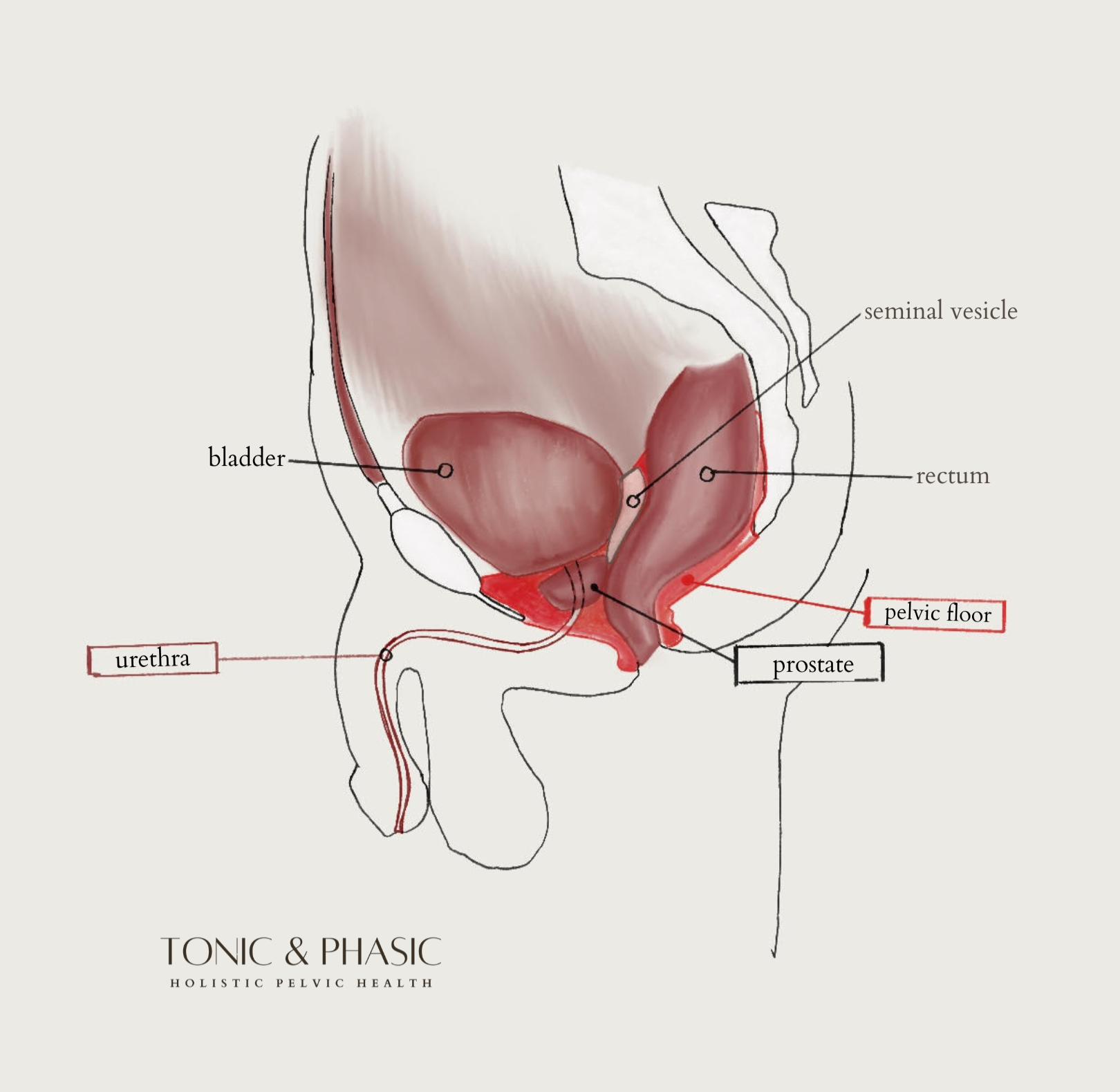
The prostate is a small gland located below the bladder and in front of the rectum. The urethra, the tube that carries urine out of the body, passes directly through the prostate. Surrounding this area are the pelvic floor muscles, connective tissues, nerves, sphincters, abdominal wall, hips, and low back structures that all work together to support bladder control, bowel function, sexual function, pressure management, and core stability.
When prostate surgery occurs, these structures can be affected in several ways:
Changes to the urinary sphincter and bladder support
Disruption of pelvic floor muscle coordination
Irritation or tension around nerves and scar tissue
Changes in abdominal pressure management
Altered breathing and core mechanics
Deconditioning following surgery and reduced activity
Emotional stress and nervous system upregulation
Recovery is not simply about “strengthening muscles.” It is about helping the entire system relearn coordination, timing, pressure control, mobility, and relaxation.
Types of Prostate Cancer Surgery
There are several surgical approaches used for prostate cancer treatment, and recovery experiences may vary depending on the procedure, surgical technique, nerve involvement, and overall health history.
Radical Prostatectomy
A radical prostatectomy involves removal of the prostate gland and sometimes surrounding tissues or lymph nodes. This is one of the most common surgeries for prostate cancer treatment
Robotic-Assisted Prostatectomy
Many procedures today are performed robotically using minimally invasive techniques. While robotic surgery may reduce incision size and recovery time for some individuals, pelvic floor symptoms can still occur afterward.
Nerve-Sparing Procedures
In some cases, surgeons may attempt to preserve nerves associated with erectile and bladder function. Outcomes vary depending on the extent of surgery, tissue involvement, healing, and nervous system recovery.
Every surgical experience is different, which is why individualized rehabilitation matters.
Benefits of Pelvic Floor Therapy before a Prostatectomy
One of the most important concepts in rehabilitation is that it is often easier to retrain a system that already understands how to function.
Pre-operative pelvic floor therapy focuses on helping individuals learn proper pelvic floor muscle coordination, improve awareness of breath and pressure management, reduce excessive tension in the pelvic floor, understand bladder habits and bowel mechanics, and improve hip, spine, and abdominal mobility, essentially establishing a baseline function before surgery and supporting you as you prepare mentally and physically for recovery.
Research has shown that individuals who receive pelvic floor training before prostate surgery may experience improved urinary recovery afterward compared to those who begin rehabilitation only after symptoms develop.
Prehabilitation also provides an opportunity to discuss realistic expectations, symptom management, movement strategies, and what the early phases of recovery may look like, and establishes a relationship with your therapist who will know your baseline when you come back in for rehab.
Common Symptoms After Prostate Surgery
Recovery timelines vary significantly between individuals. Some symptoms improve within weeks, while others may take months to continue healing and adapting.
Common symptoms may include:
Urinary Leakage
Urinary incontinence is one of the most common concerns following prostate surgery. This can appear as:
Dribbling after urination
Leakage with coughing, sneezing, or movement
Urgency and difficulty holding urine
Leakage during walking, lifting, or exercise
Increased nighttime urination
This often occurs due to changes in sphincter support, pelvic floor coordination, pressure management, and post-surgical tissue healing.
Pelvic Floor Tension or Pain
Some individuals experience pelvic pressure, tailbone discomfort, abdominal tension, groin pain, or feelings of tightness throughout the pelvis after surgery.
The pelvic floor can become both weak and overactive simultaneously. In many cases, muscles compensate by gripping or guarding, which may contribute to pain, urgency, or difficulty relaxing.
Erectile Dysfunction & Sexual Health Changes
Erectile dysfunction after prostate surgery can involve multiple contributing factors including nerve healing, blood flow changes, pelvic floor dysfunction, fear avoidance, scar tissue restriction, nervous system stress, and changes in confidence or body awareness.
Pelvic floor therapy may help support blood flow, muscle coordination, tissue mobility, and nervous system regulation throughout recovery.
Read: Understanding Male Sexual Health
Core Weakness & Pressure Management Dysfunction
Following surgery, many people unconsciously brace their abdomen, hold their breath, or lose coordination between the diaphragm, abdominal wall, and pelvic floor.
This can contribute to:
Increased downward pressure
Low back discomfort
Hernia risk
Difficulty returning to exercise
Persistent leakage
What Pelvic Floor Physical Therapy May Include
Treatment is individualized based on symptoms, healing stage, surgical history, and goals.
Therapy may include:
Pelvic Floor Muscle Training
Kegels may help, but true rehabilitation is much more than squeezing hard. In many cases, we focus on:
Proper muscle timing
Relaxation and lengthening
Coordination with breathing
Pressure management strategies
Functional movement
Sometimes the goal is strengthening. Other times the goal is reducing excessive tension and improving control. Most importantly, it must involve establishing functional movement through squats, lunges, and hinges.
Breathing & Pressure Management
The diaphragm, abdominal wall, and pelvic floor work together like a pressure system.
To improve pressure management, we’ll work on:
Diaphragmatic breathing
Reducing breath holding
Coordinating movement with exhalation
Improving pressure distribution throughout the trunk
This can help reduce strain on healing tissues and improve bladder control.
Core & Functional Rehabilitation
Because of its deep connection to the pelvic floor, rehabilitation often progresses into:
Deep core retraining
Hip and glute strengthening
Walking mechanics
Balance and stability work
Return-to-exercise progression
Functional lifting mechanics
The goal is not only symptom reduction but helping individuals feel confident returning to daily life.
Scar Tissue & Mobility Work
Surgery to remove the prostate leaves behind dense collagen fibers that form scar tissue on the excision site. This scar tissue can affect tissue mobility throughout the abdomen, pelvis, hips, and rib cage. Manual therapy and mobility work may help improve movement quality, reduce guarding, and support overall comfort.
Bladder Retraining & Behavioral Strategies
Education is a major part of therapy. This may include:
Fluid timing
Urge suppression strategies
Bladder irritant education
Bowel support techniques
Toileting mechanics
Return-to-activity guidance
Try our free bladder diary tool to begin tracking your symptoms:
Recovery Is More Than Physical
Prostate cancer treatment can affect identity, confidence, intimacy, emotional health, and the nervous system as a whole. Many individuals feel frustrated when symptoms persist longer than expected or when they are told leakage is “just something to live with.”
Recovery is rarely linear. Healing involves the nervous system, movement system, emotional processing, tissue recovery, and rebuilding trust in the body.
Pelvic floor therapy aims to create a supportive environment where individuals feel educated, empowered, and guided through recovery with realistic expectations and individualized care.
When Should You Start Pelvic Floor Therapy?
It is never “too late” to address pelvic floor dysfunction. Many individuals benefit from starting therapy before surgery to prepare the body for excision; but some patients also begin rehabilitation shortly after surgery, and some even seek care months or years later if symptoms persist.
Regardless of where you’re at, pelvic floor therapy can support in recovery.
Final Thoughts
Prostate cancer recovery involves far more than the surgical procedure itself. The pelvic floor, core system, nervous system, breathing mechanics, bladder function, and movement patterns all play a role in healing.
Pelvic floor physical therapy cannot guarantee the elimination of symptoms, but evidence supports its role in helping improve urinary control, pelvic floor coordination, movement confidence, and overall quality of life throughout recovery.
Most importantly, you do not have to navigate this process alone. Book your initial evaluation and start your healing today.
Questions? Try a free discovery call before starting your treatment:
Medical Disclaimer: This content is intended for educational purposes only and does not constitute medical advice. If you are experiencing symptoms, please consult with a qualified healthcare provider or pelvic floor physical therapist for an individualized evaluation and plan of care.
