What Happens to Your Pelvic Floor During Pregnancy? A Trimester-by-Trimester Guide
Table of Contents
First Trimester: The Changes You Can’t See Yet
Second Trimester: The Growth Phase
Third Trimester: Preparing For Birth
Common Symptoms That Deserve Attention
The Bottom Line
Pregnancy brings you a growing belly, yes — but it also changes every system in your body.
From the moment you become pregnant, your hormones, muscles, connective tissues, breathing patterns, posture, and pelvic floor begin adapting to support your baby and prepare for birth.
Many of these changes are completely normal. Some can be uncomfortable. Others can leave you wondering, "Is this supposed to be happening?"
The good news? Most of what you're feeling makes sense when you understand what your body is doing behind the scenes.
Let's walk through what happens during each trimester — from a pelvic health perspective.
First Trimester: The Changes You Can't See Yet
While your body may not look dramatically different during the first trimester, enormous changes are already happening.
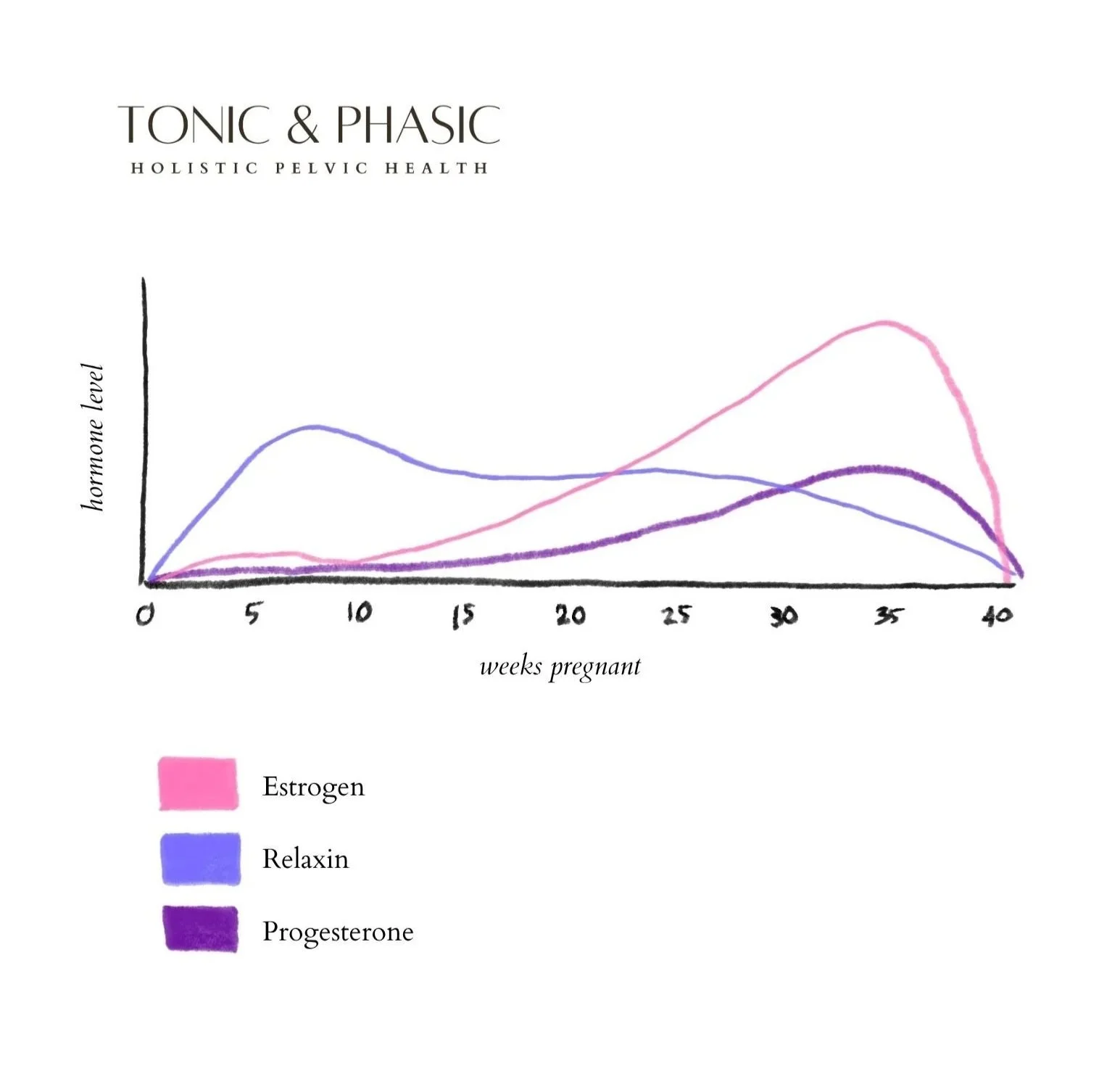
1. Hormones begin reshaping your body.
Levels of estrogen, progesterone, and relaxin increase rapidly.
These hormones help support pregnancy, but they also begin affecting your muscles, ligaments, connective tissues, and pelvic floor.
You may notice:
Increased urinary frequency
Constipation
Fatigue
Bloating
Pelvic heaviness
Changes in exercise tolerance
Many women are surprised that they are already running to the bathroom more often despite barely showing.
This happens because pregnancy hormones increase blood flow to the kidneys and pelvic organs, resulting in more urine production.
What Is Happening to the Pelvic Floor?
The pelvic floor is already beginning to accommodate increased pressure and changes in tissue flexibility.
At this stage, symptoms are often less about weakness and more about hormonal changes, pressure changes, and altered muscle coordination.
What Helps During the First Trimester?
Stay active if cleared by your provider
Prioritize hydration
Address constipation early
Learn diaphragmatic breathing
Begin developing awareness of your pelvic floor and deep core system
Think of this trimester as laying the foundation.
Second Trimester: The Growth Phase
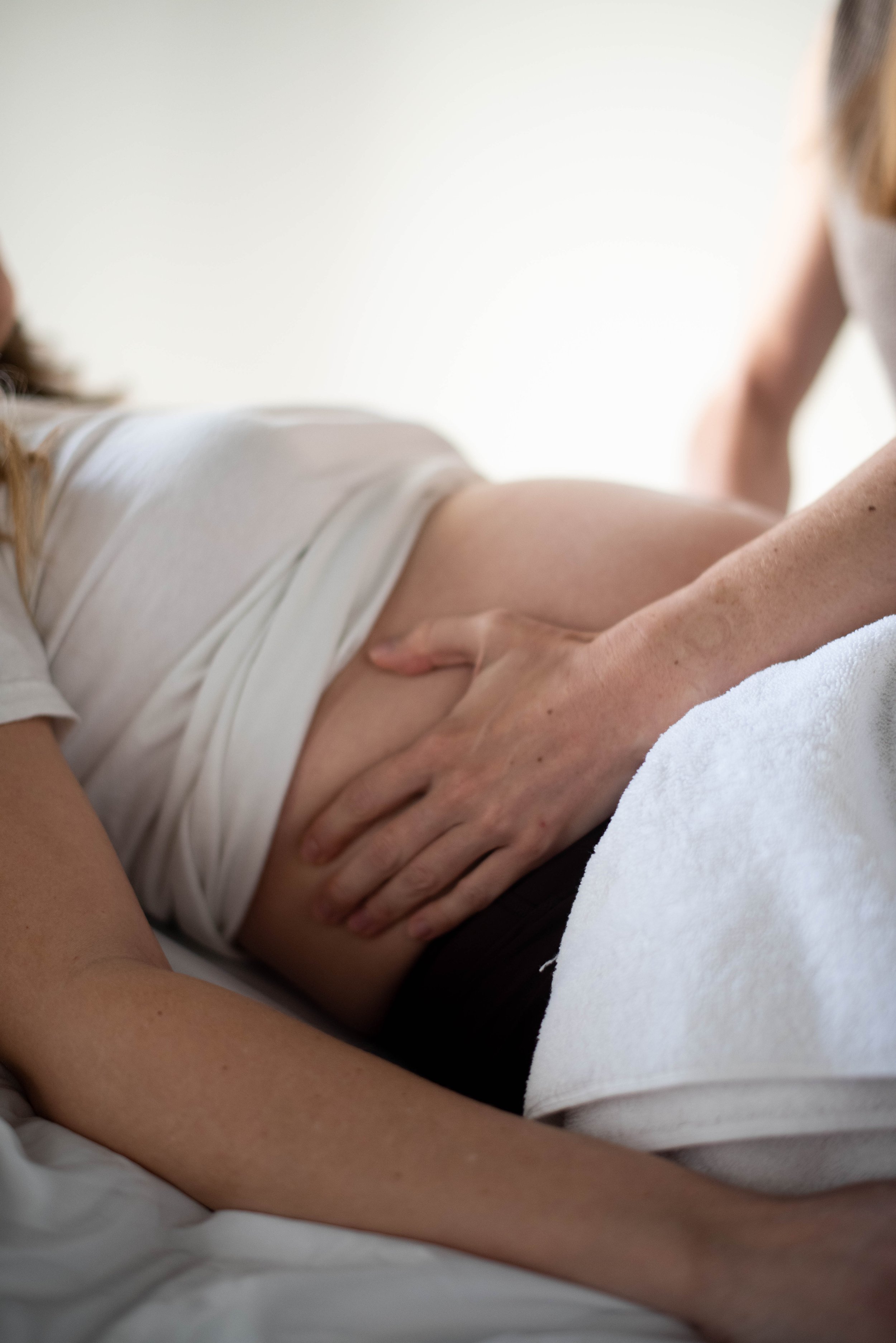
For many people, the second trimester feels like the "sweet spot" of pregnancy.
Energy often improves, nausea decreases, and the baby bump becomes more noticeable.
But beneath the surface, your body is working hard.
Your center of gravity begins to shift.
As your uterus expands, your posture begins adapting.
You may notice:
Increased low back tension
Hip discomfort
Rib discomfort
Changes in walking mechanics
Difficulty activating your core the way you used to
Your abdominal muscles are lengthening to create space for your growing baby.
This is normal.
The connective tissue between the abdominal muscles, called the linea alba, also begins stretching as the abdomen expands.
What Is Happening to the Pelvic Floor?
The pelvic floor is supporting more weight than it was just a few months ago.
Research shows the pelvic floor muscles and connective tissues gradually adapt throughout pregnancy as the growing uterus increases demand on the system.
You may begin noticing:
Occasional urinary leakage
Increased pelvic pressure
Difficulty with high-impact activities
A feeling of heaviness after long days
These symptoms are common but shouldn't simply be ignored.
What Helps During the Second Trimester?
Strength training with appropriate modifications
Walking and regular movement
Core training focused on pressure management
Pelvic floor assessment if symptoms arise
Learning how to coordinate breathing during exercise
This is often the ideal time to establish a relationship with a pelvic floor physical therapist.
Third Trimester: Preparing for Birth
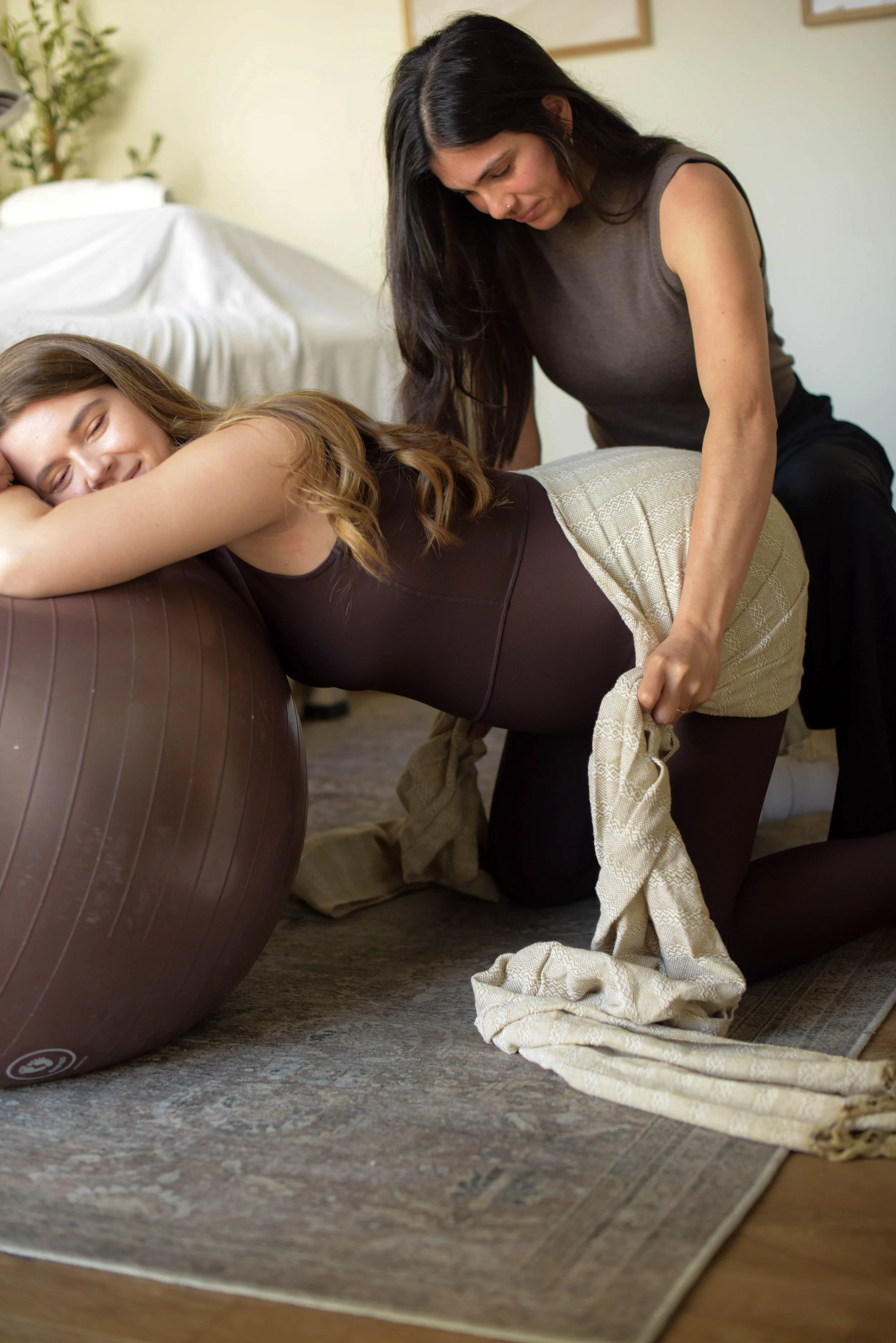
The third trimester brings the greatest physical demands on the pelvic floor and core.
Your body is now carrying significantly more weight, while simultaneously preparing for labor and delivery.
More pressure, more adaptation.
By this stage, you may notice:
Increased urinary frequency
Urinary leakage
Pelvic pressure
Pubic bone pain
Sacroiliac joint discomfort
Hip pain
Low back pain
Difficulty rolling in bed
Shortness of breath
Many women worry these symptoms mean something is wrong.
In reality, many of them reflect the increased demands being placed on your body.
Your pelvic floor needs more than strength.
This is one of the biggest misconceptions surrounding pregnancy.
Many people assume the answer is simply doing more Kegels.
But birth requires the pelvic floor to do more than contract.
It must also relax, lengthen, and coordinate.
A pelvic floor that is too tense can be just as problematic as one that lacks strength. The goal is adaptability.
What Helps During the Third Trimester?
Position changes throughout the day
Mobility work
Breathing exercises
Labor preparation strategies
Pelvic floor relaxation techniques
Guided birth preparation with a pelvic health provider
Preparing for birth is not just about strengthening.
It's about teaching your body how to respond efficiently to changing demands.
Common Pregnancy Symptoms That Deserve Attention
While many symptoms are common during pregnancy, "common" does not always mean "normal."
Consider seeking support if you experience any of the following:
Urinary leakage
Persistent pelvic pain
Pelvic pressure or heaviness
Pain with intercourse
Severe low back pain
Difficulty exercising
Constipation
Pain around the pubic bone
These symptoms often respond well to pelvic floor physical therapy and movement-based interventions.
The Bottom Line
Pregnancy is one of the most impressive adaptations the human body can make.
Your posture changes.
Your breathing changes.
Your muscles change.
Your connective tissues change.
And your pelvic floor changes right alongside them.
The goal is not preventing your body from changing. The goal is helping your body adapt well.
Understanding what's happening during each trimester can help you move through pregnancy with more confidence, less fear, and a greater appreciation for everything your body is accomplishing.
Learn more and book your free discovery call today with the only birth prep program in Orange County.
Medical Disclaimer
This blog is intended for educational purposes only and should not be considered medical advice. Every pregnancy is unique. If you are experiencing pain, urinary or bowel symptoms, pelvic pressure, or other concerns, consult your healthcare provider or a qualified pelvic health physical therapist for individualized evaluation and treatment.